Pafta belt buckle VI-64513
Inès. Golay (HE-ARC CR, Neuchâtel, Neuchâtel, Switzerland)
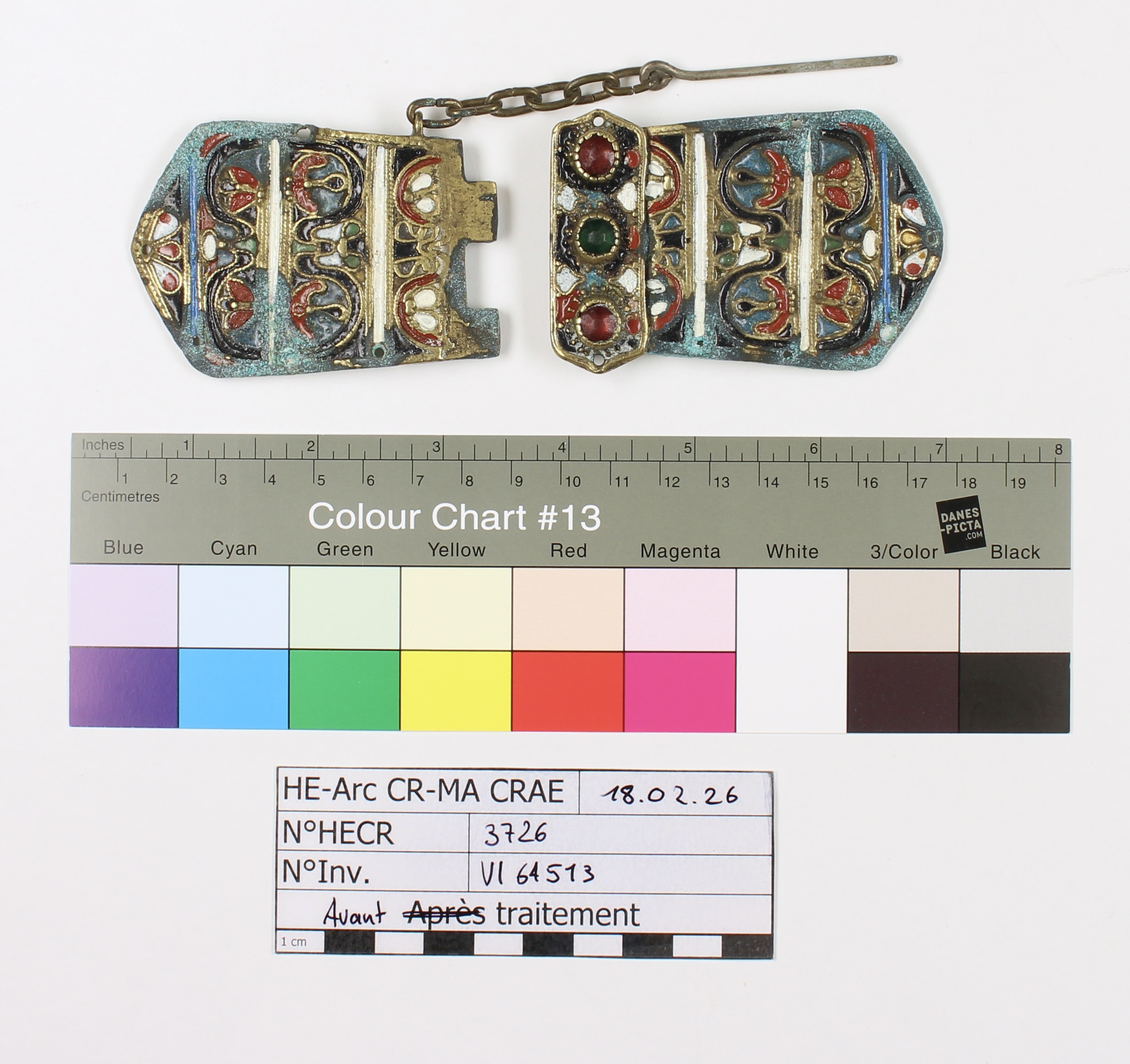
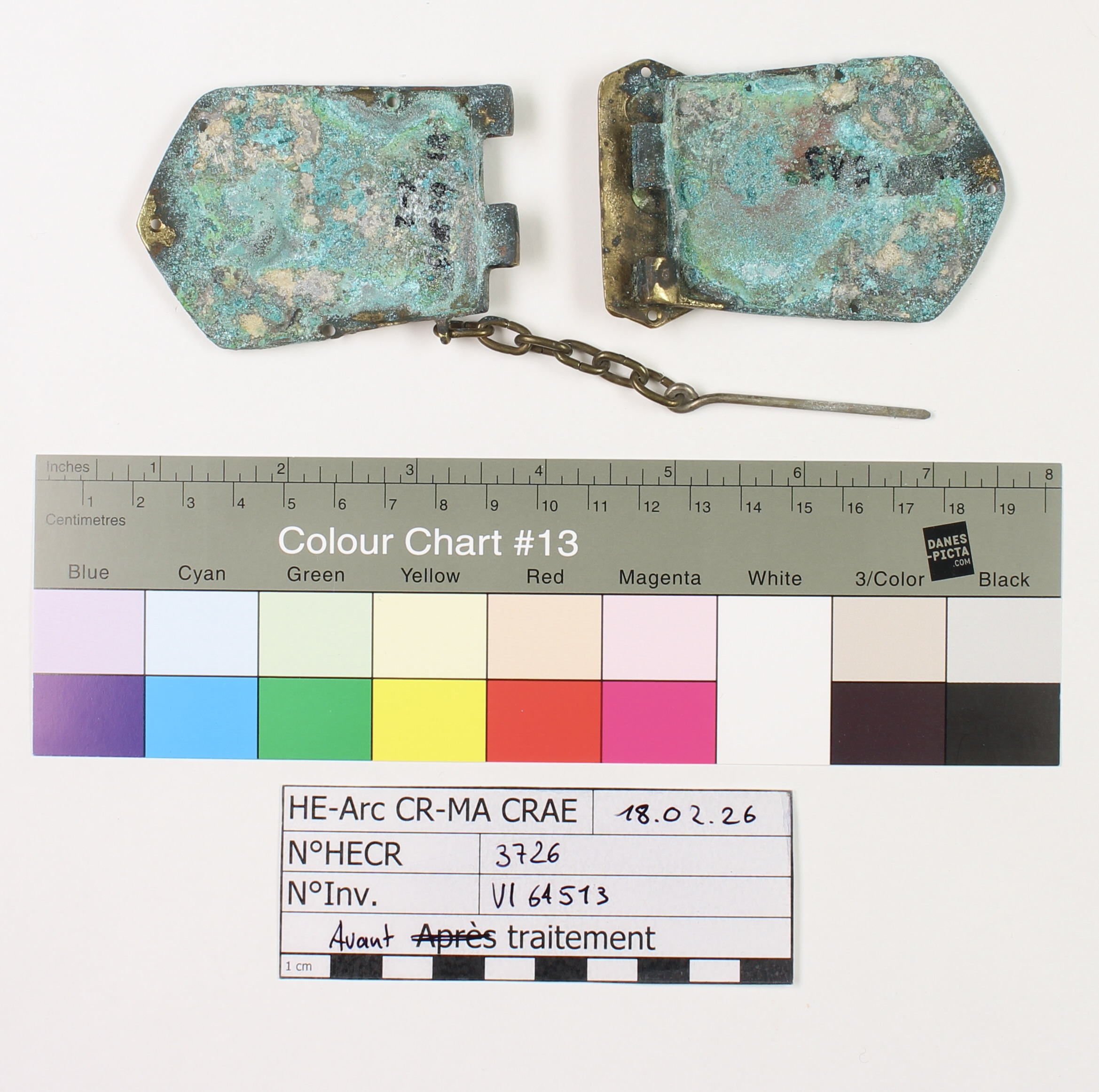
Belt buckle of the so-called “pafta” type, consisting of two trapezoidal elements connected by a hinge and pin mechanism. The pin is attached to the left element by a chain. One of the two elements conceals the hinge behind a rectangular plate adorned with three cabochons set with colored glass stones. The central stone is green, and the other two are red. Both parts are decorated in the same manner, with stylized plant motifs. The motif consists of four sections separated by white and blue lines. It is executed using the filigree technique with black, yellow, white, blue, and green enamel. Some of the enameled areas have been painted. Red paint is applied over the yellow enamel in most places; otherwise, the paint is a color similar to that of the underlying enamel (black, white, blue). Dimensions: Width = 5.5cm, Length = 14.5cm, High = 0.8cm.
clothing element
Eastern Europe
Date unknown
19th century
Indoor atmosphere
Museum der Kulturen, Basel, Basel-City
Museum der Kulturen, Basel, Basel-City
VI-64513
N/A
The object was stored for many years (between 1990 and 2010) on a wooden shelf in the museum’s former storage facilities, located beneath Münsterplatz in Basel. Biocide treatments (the exact nature of which is unknown) were carried out in these facilities to prevent insect infestation. The last treatment of this kind took place in 1999.
The object is now stored in the museum’s new storage facilities, where the temperature is maintained at approximately 19 °C and the relative humidity at 50%. It is placed on a metal rolling shelf, inside an acid-free cardboard box, with a small piece of polyethylene foam underneath.
 Credit HE-Arc CR, I.Golay.
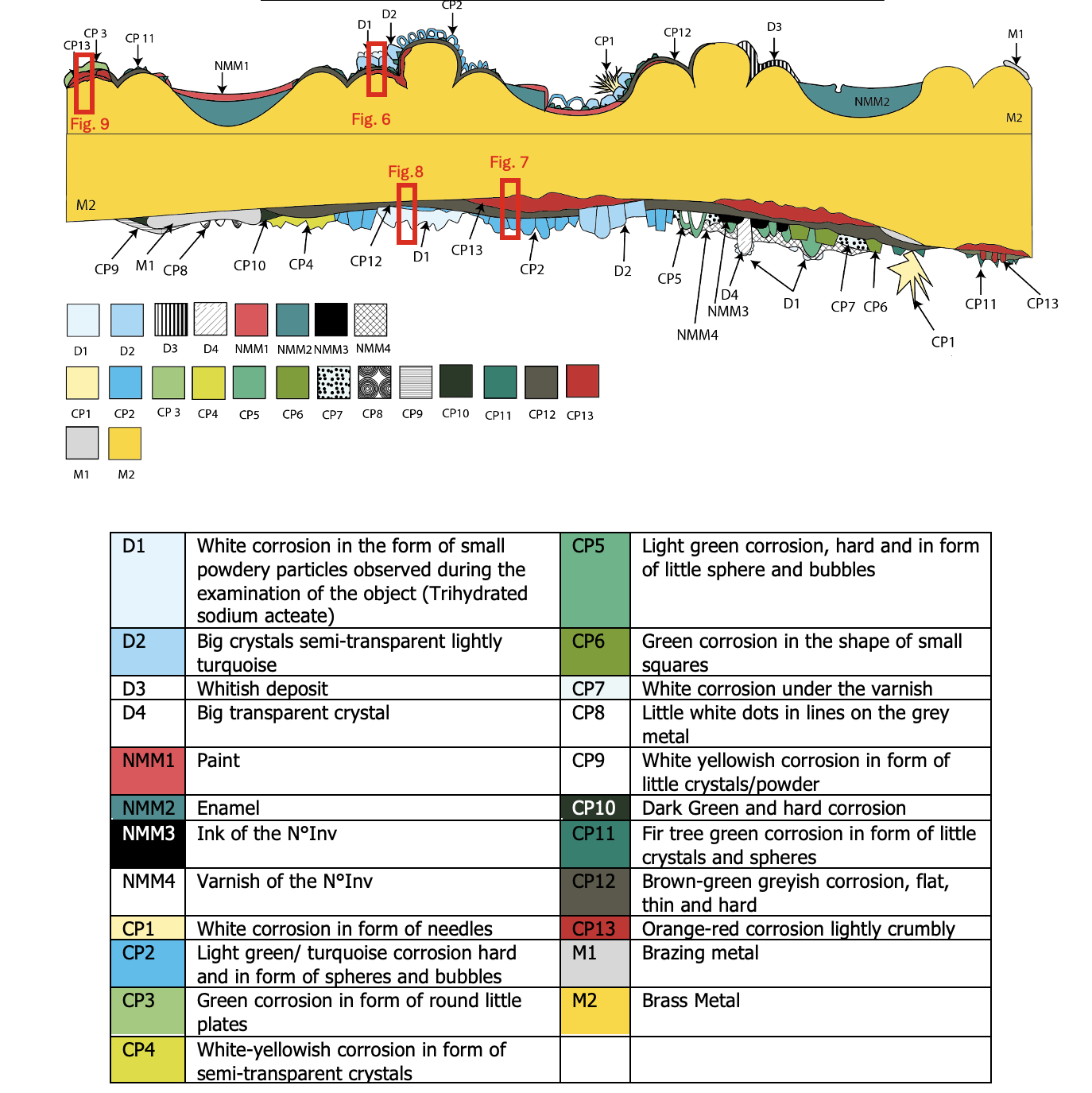
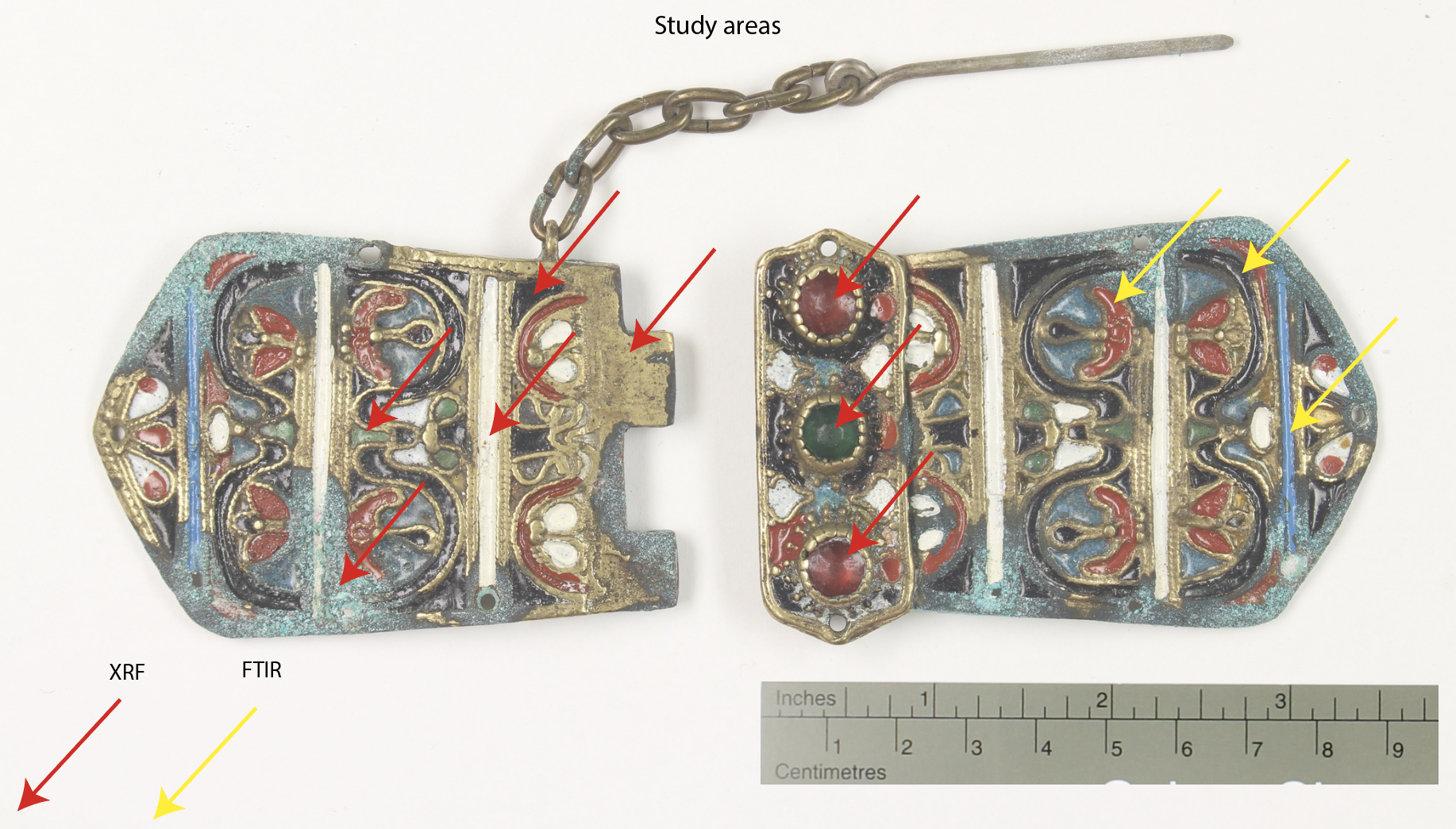
The schematic representation below gives an overview of the corrosion structures encountered on the belt buckle from a first visual macroscopic observation.
None.
Cu Zn alloy
Cast, cold worked, brazed and enamelled
None
None
None.
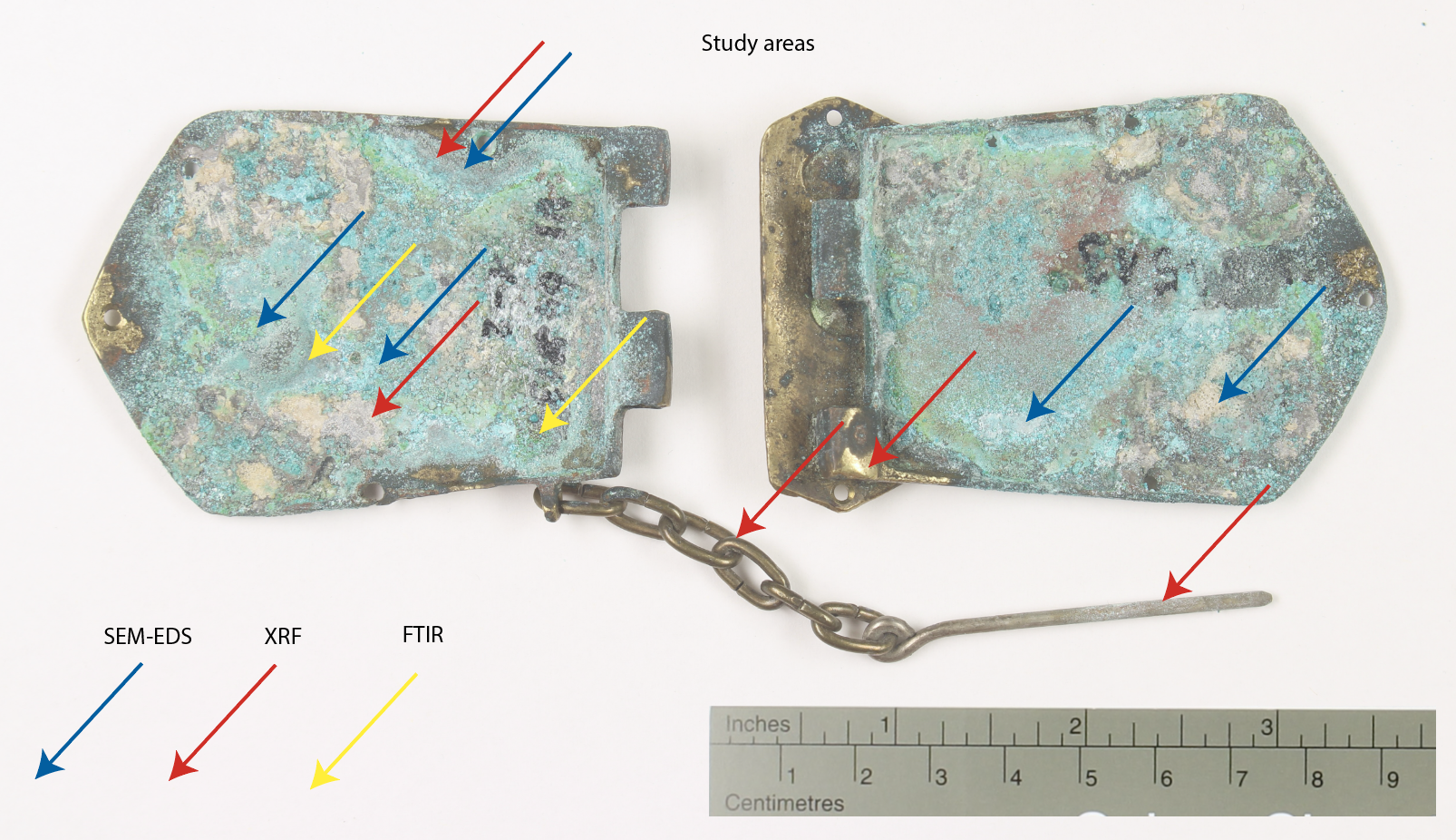
Analyses performed:
Non-invasive approach
XRF with handheld portable X-ray fluorescence spectrometer (NITON XL5). General Metal mode, acquisition time 60s (filters: Li20/Lo20/M20).
Invasive approach
- Scanning Electron Microscopy /Energy Dispersive X-ray Spectrometry (SEM-EDS) on corrosion powder samples. Samples was prepared by scraping of material from the surface with scalpel under binocular microscope. The sample material was attached to steel pins with double sided carbon tape. Analyses were performed with a Jeol JSM-6400 device, 20,0 kV, x5k.
- FTIR: ATR mode, range 4000–675 cm⁻¹, spectral resolution 4 cm⁻¹.
The metal is made of copper and zinc mostly (brass). Tin, iron, lead and antimony are in lower percentage.
| Elements | Cu | Zn | Sn | Fe | Pb | Sb |
| Mass% | 72 | 25 | <1 | <1 | <0.5 | <0.5 |
Table 1: Chemical composition of the metal. Method of analysis: HE-Arc portable XRF.
The metal surface can be scratched with a stainless steel scalpel. No microstructure could be observed on the metal surface.
The metal itself has not been analysed.
Unknown
Cu
Zn, Sn, Sb, Pb, Fe
None.
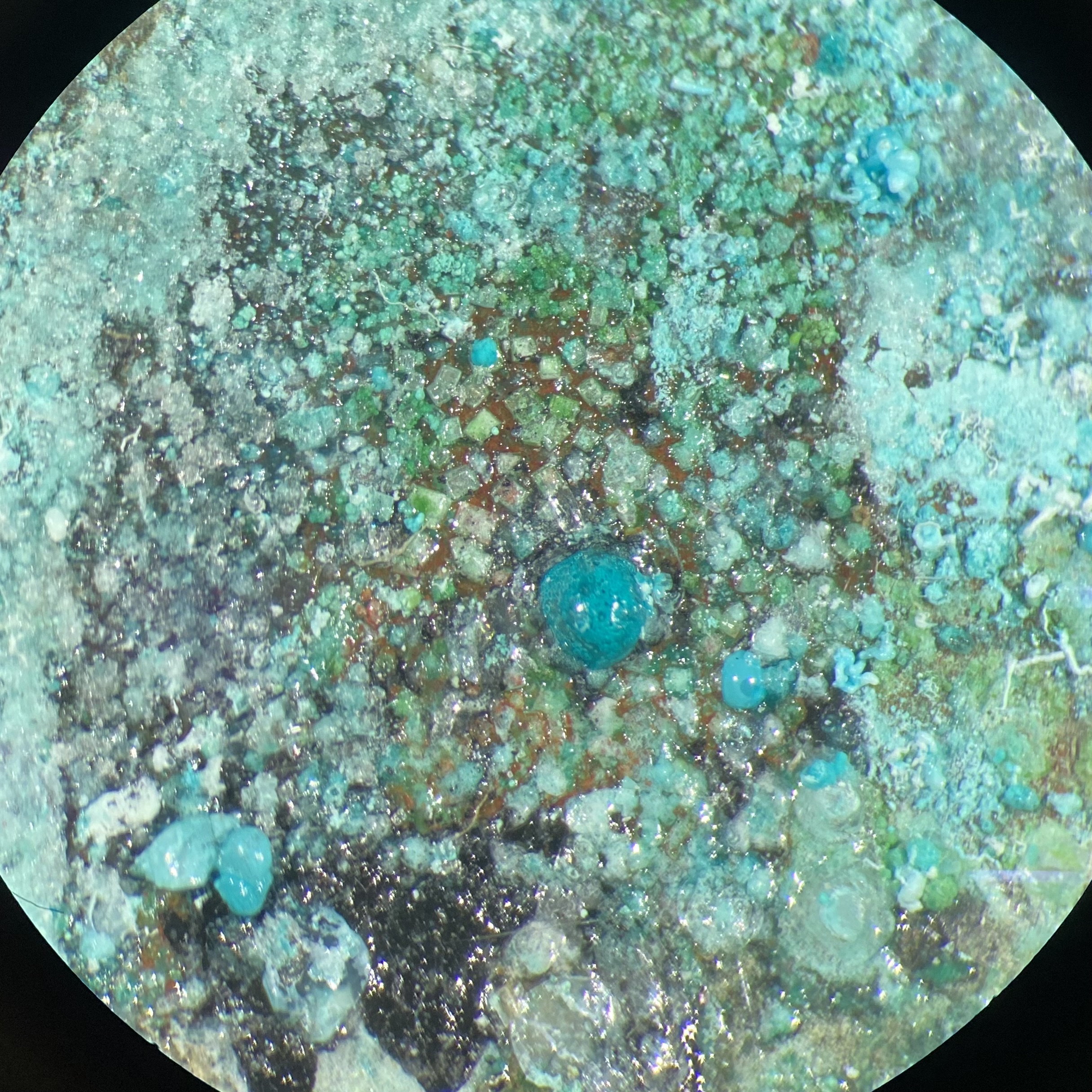
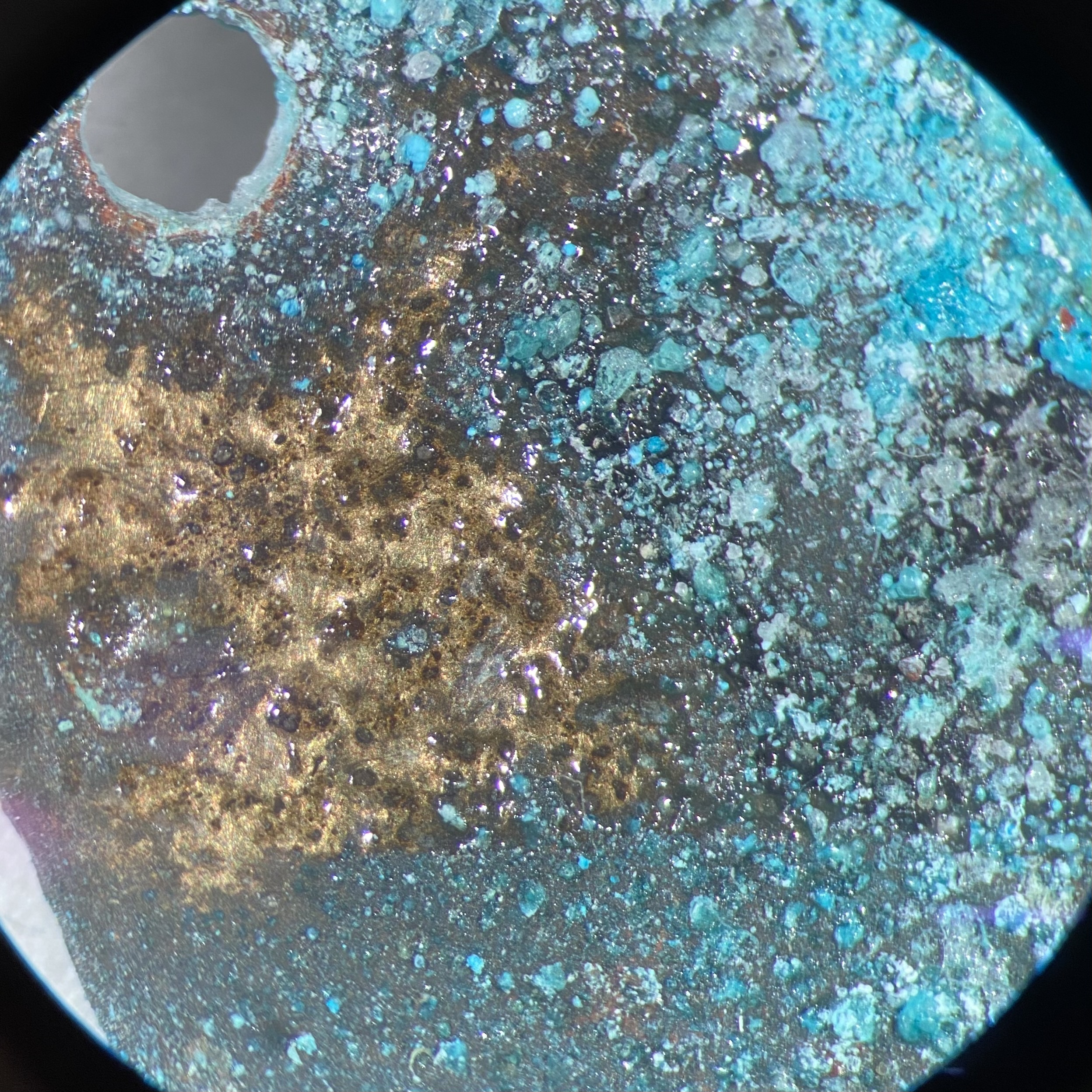
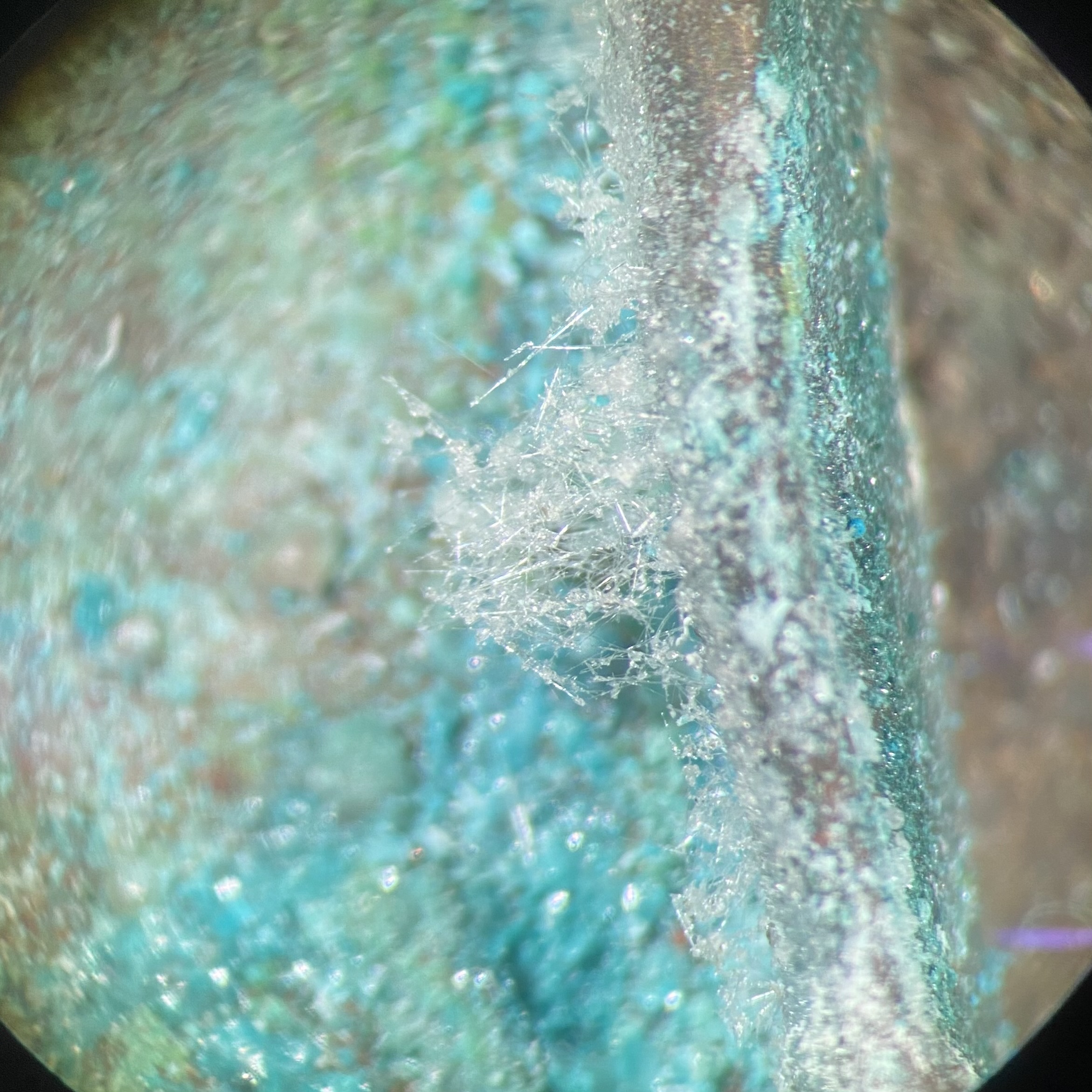
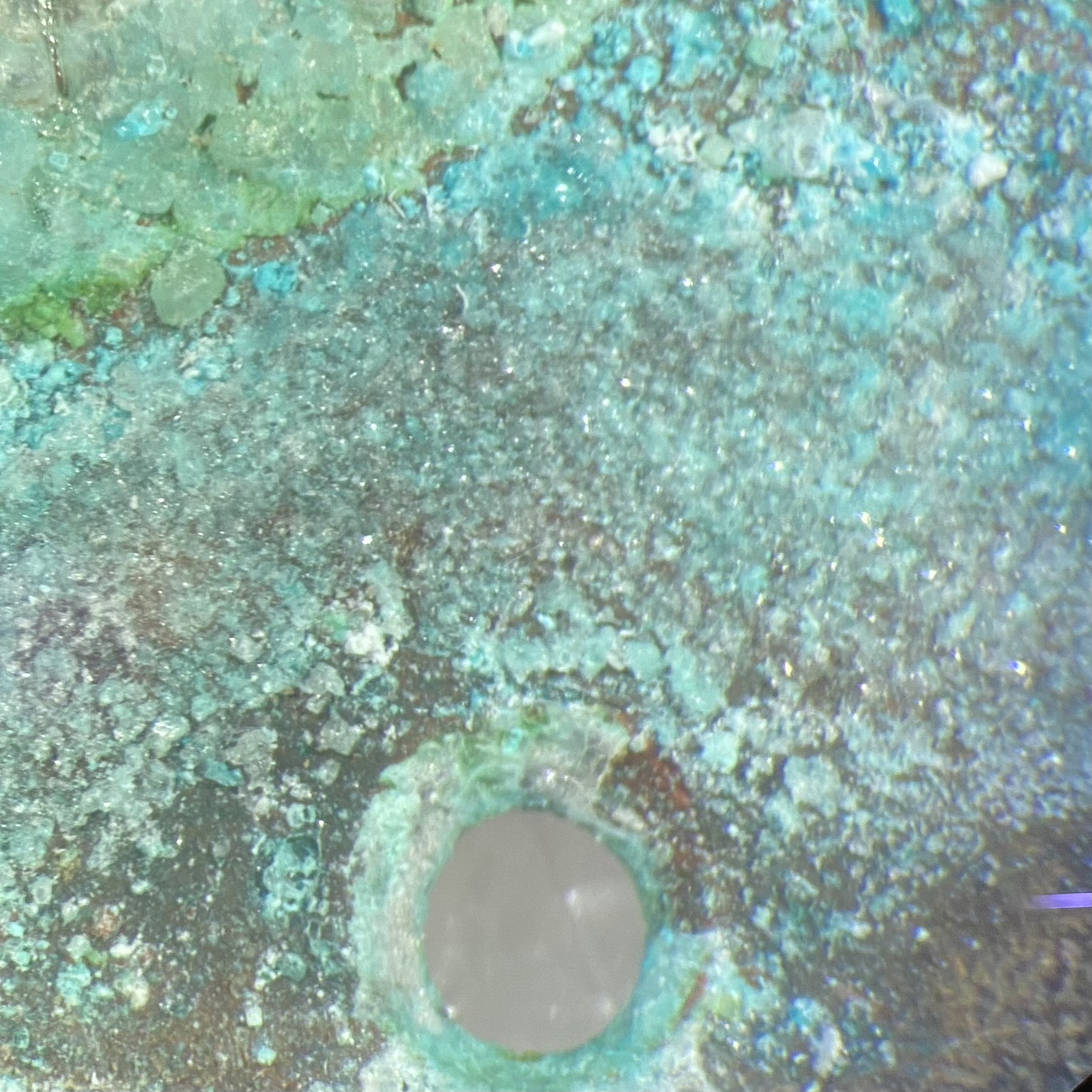
The corrosion is highly heterogeneous, generally porous and reactive. The metal is partly covered by a very porous and somewhat brittle red corrosion layer (CP13), on which there are hard light green (CP3), dark green (CP5 and CP6) and turquoise corrosion products in the form of plates, bubbles, small spheres or fine crystals (CP2) (Fig. 10). The other part of the corroded metal is covered by a thin, hard black corrosion layer (CP 12); on which dark green crystals develop (CP11), turning turquoise and taking on a bubble-like shape as they grow larger (CP2) (Fig. 11 and 12). SEM-EDS analysis indicates a high proportion of Zn as well as Na and Cl. In two zones where this corrosion develops, white, brittle needle-like corrosion was found (CP1) (Fig. 13).
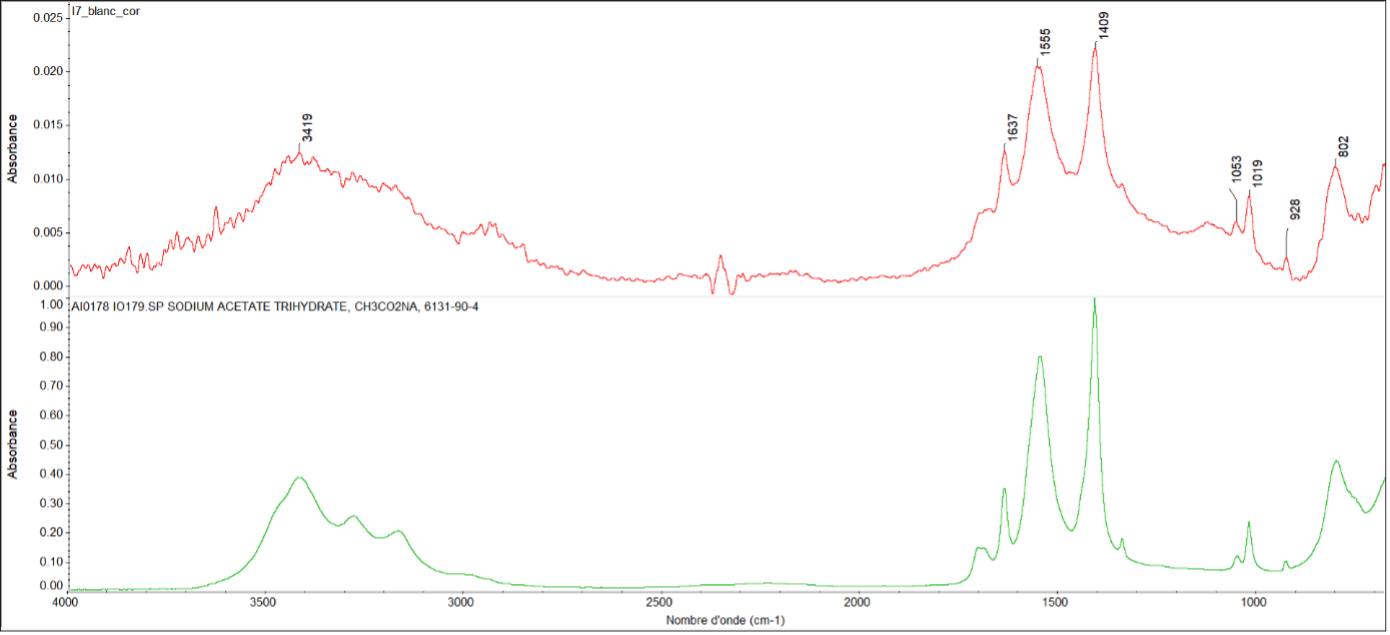
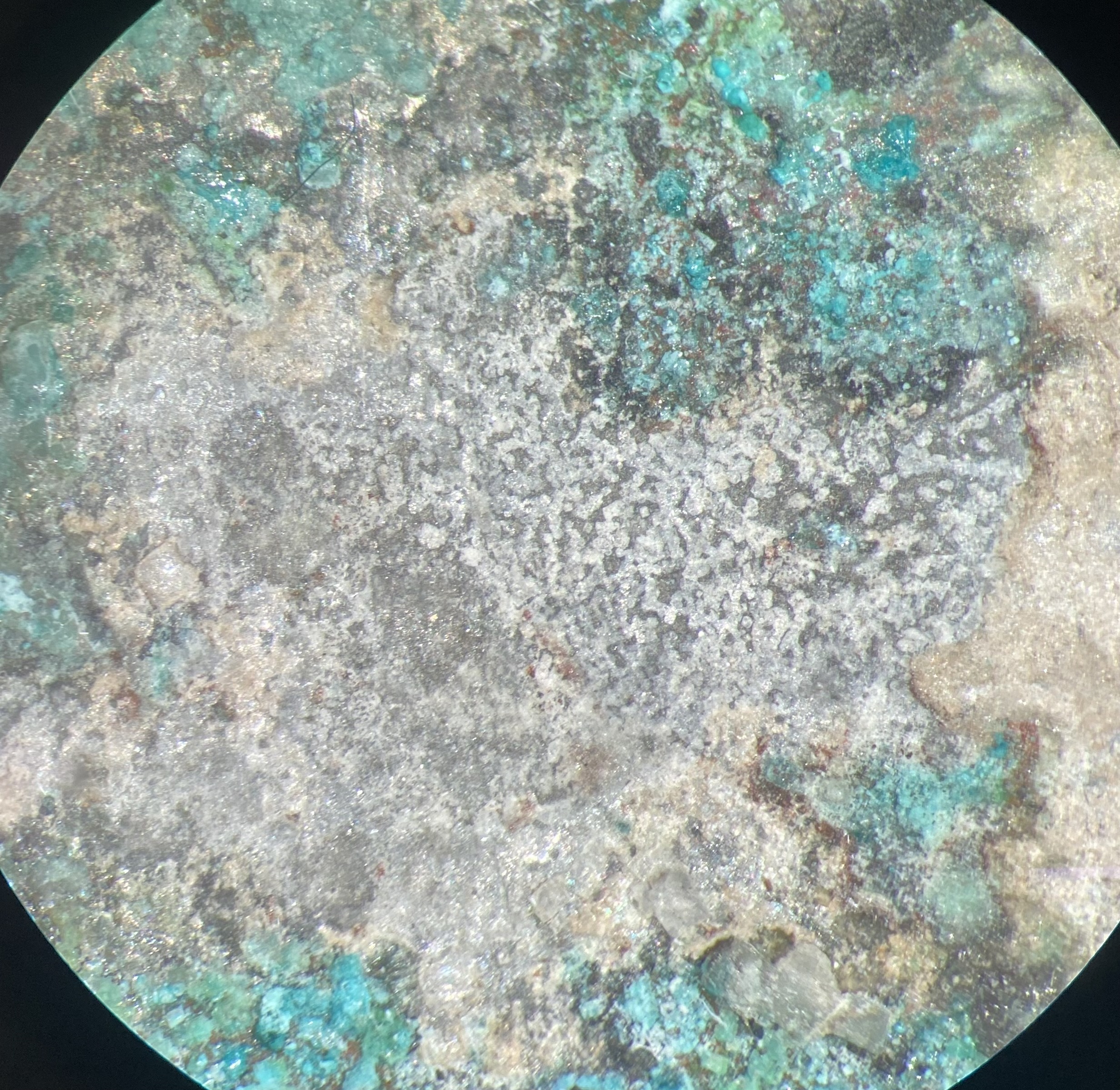
In some areas of the black corrosion, the crystals are not green but translucent blue (Fig. 14). In the space of an afternoon, these turned into a white, powdery corrosion product in the form of small balls that dissolved instantly on contact with water (D1) (Fig. 15). With the FTIR analysis we found out that it is trihydrated sodium acetate (Fig. 16).
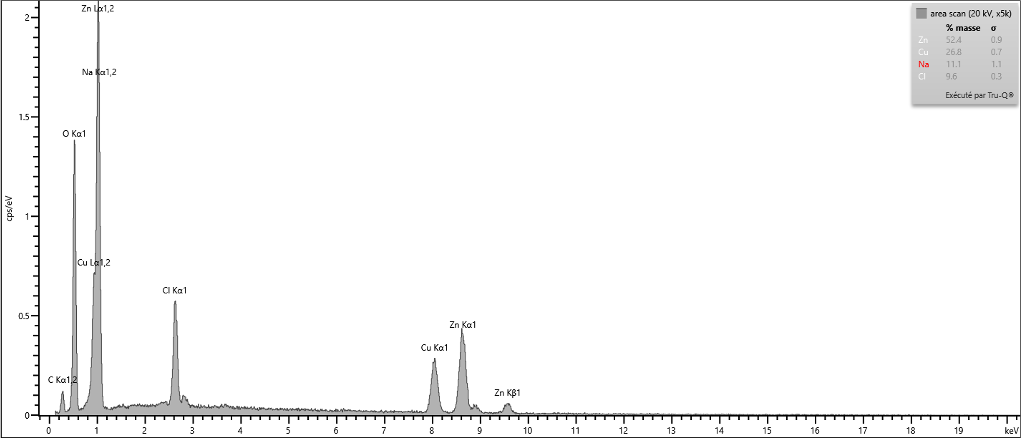
The surface is also partly covered with large translucent crystals, sometimes blue, sometimes green and sometimes yellowish (D2). They are not very hard, do not adhere well and have the texture of grains of salt (Fig. 17). SEM-EDS analysis of these grains shows the presence of sodium and chlorine (Fig. 18).
Traces of solder metal (M2) can be found in a few areas beneath the buckle. These are also often covered with very brittle, yellowish-white corrosion products in the form of fine crystals (CP4) (Fig. 19), and in some cases the metal is partially covered with small white crystals (CP8) (Fig. 20). Around these yellowish-white corrosion products, another type of corrosion product can be seen in the form of a thin, dark green, fairly hard ring (CP10).
 Credit HE-Arc CR, I.Golay.
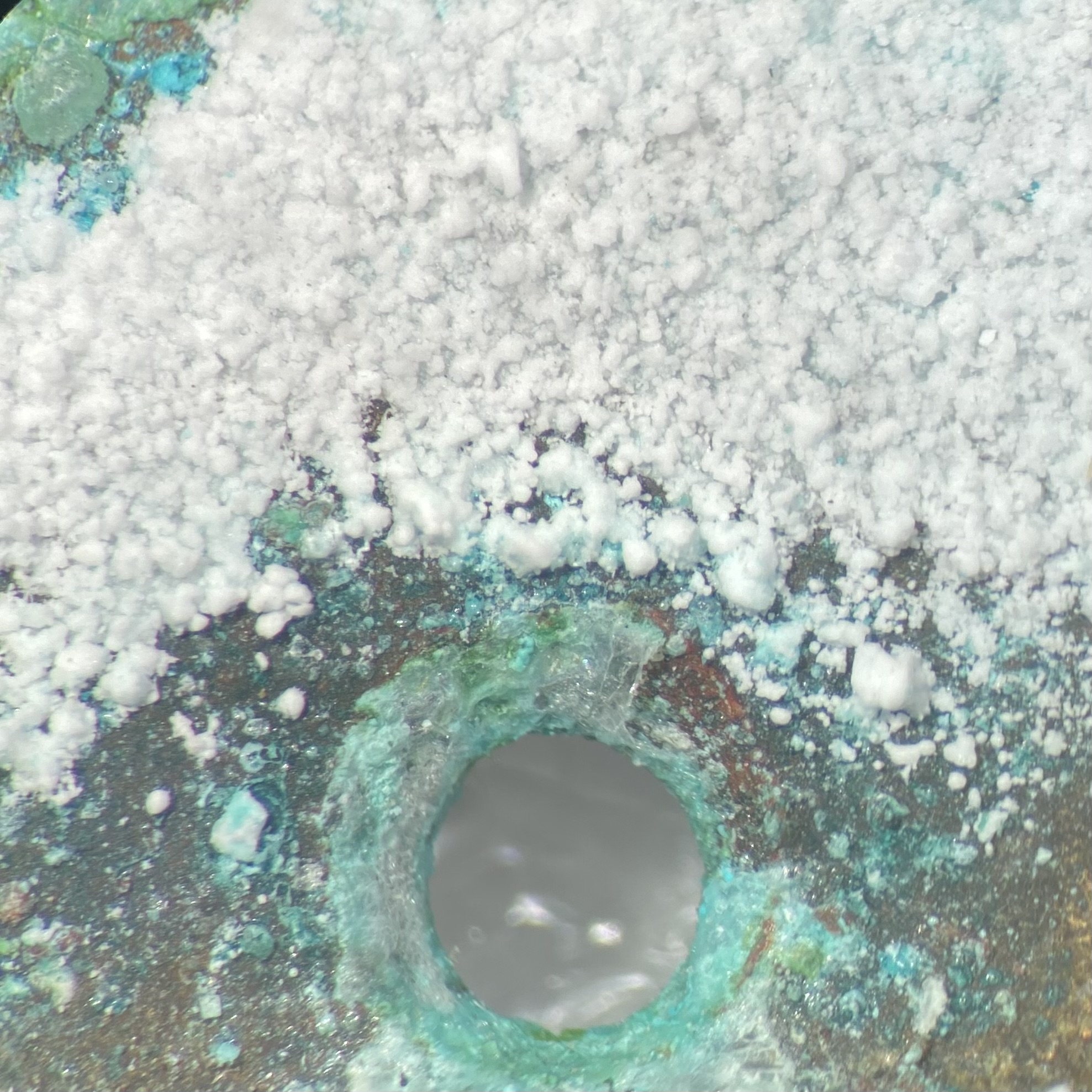 Credit HE-Arc CR, I.Golay.
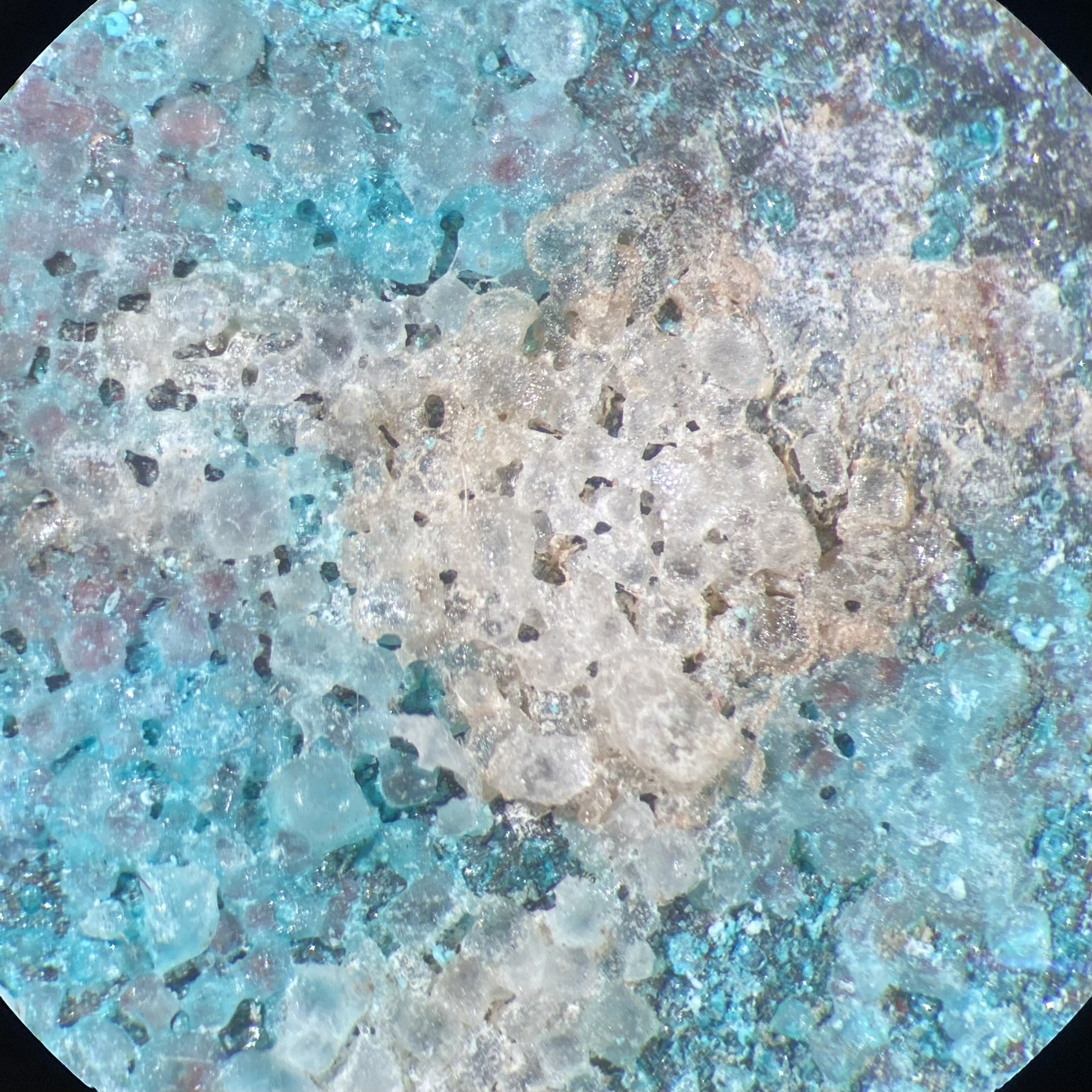 Credit HE-Arc CR, I.Golay.
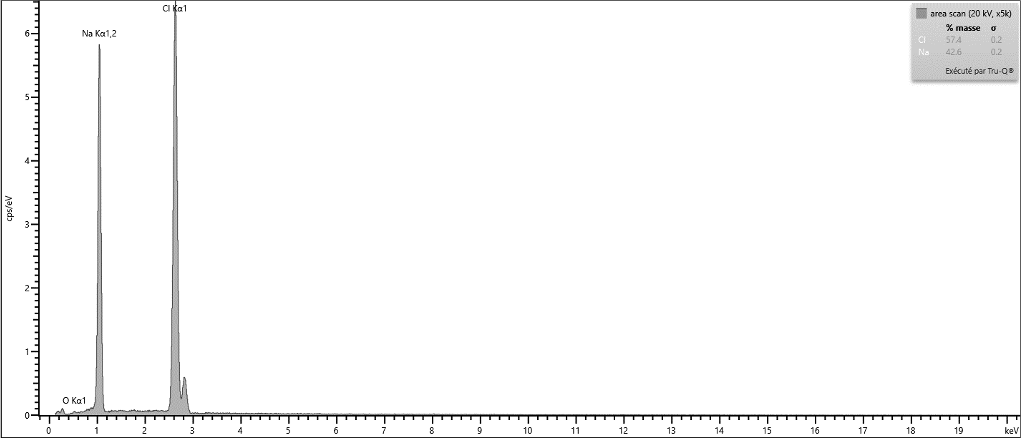 Credit HEI-Arc, S.Ramseyer.
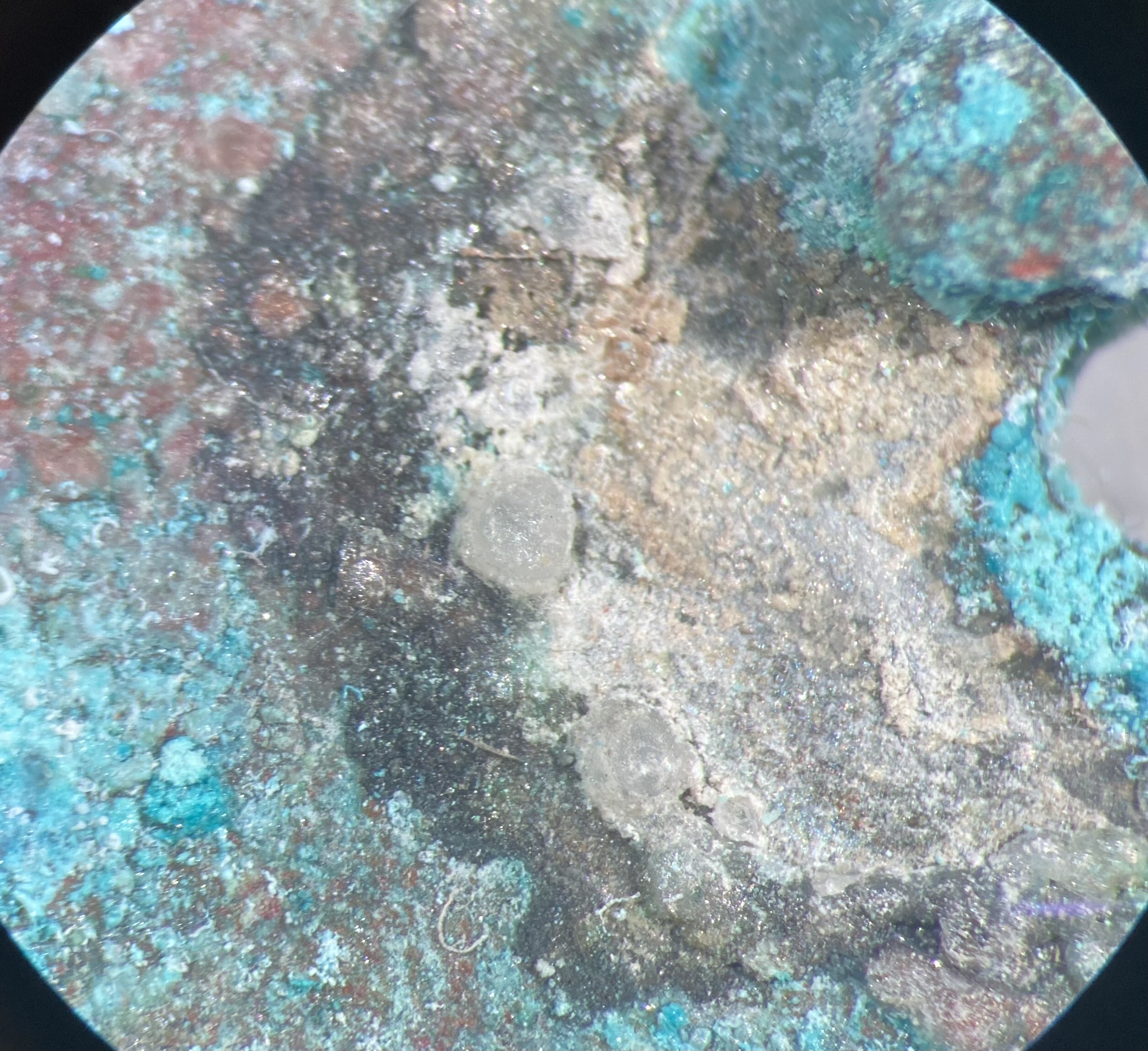 Credit HE-Arc CR, I.Golay.
Multiform
Dezincification
During the treatment of the object, after the corrosion was removed, the exposed metal surface was a coppery pink color. It was therefore concluded that the surface had undergone selective zinc corrosion. Furthermore, the analyses showed a composition of approximately 72/25 Cu-Zn, which corresponds to a brass alloy susceptible to dezincification, according to Selwyn, 2004, pp. 59 and 77.
The belt buckle exhibits a very surprising corrosion pattern, with numerous corrosion products and deposits of various shapes. The cause of this corrosion is likely multifactorial. First, there is the presence of sodium and chlorine salts. The origin of these salts on the object could be perspiration from wearing the buckle, residues from a previous, poorly rinsed treatment (sesquicarbonate), or even biocides intended for organic materials, present in the environment and deposited on the buckle. Furthermore, variations in humidity and the presence of acidic, acetate-based pollutants in the immediate environment of the object during its many years of storage on a wooden shelf in the museum's depots have caused specific forms of corrosion.
References on object and analytical methods
Reference on object
1. Ihrig, B. (1992) Theorien und Konzepte zur Bronzekonservierung von 1860 bis Beginn der 40er Jahre Methoden und Materialien zu Zeiten Rathgens. Diplomarbeit. Stuttgart: Institut für Museumkunde an der Staatlichen Akademie der Bildenden Künste.
2. Scott, D.A. (2003) Copper and bronze in art: corrosion, colorants, conservation. Los Angeles: Getty conservation institute. ISBN 978-0-89236-638-5.
3. Selwyn, L. (2004) Métaux et corrosion: un manuel pour le professionnel de la conservation. Ottawa: Institut canadien de conservation. ISBN 978-0-662-77743-4.
Reference analytical methods
4. Tennent, N.H and Baird, T. (1992) The identification of acetate efflorescence on bronze antiquities stored in wooden cabinets, The Conservator, vol. 16, no 1, pp. 39‑47. DOI 10.1080/01400096.1992.9635625.